Match drill to the dirt tier
Dirt quality comes from the drill’s position, so place it at the deepest point it can use within its tier. Moving deeper dirt up to the drill does not keep that deeper quality.
Hydroneer mining uses water pressure and digging machines to extract dirt, wash it through equipment, and separate ore and gems. Early hand digging and panning fund equipment and new plots. Automated drills and conveyors scale production, while crops and cooking provide additional resource and quest loops.
16 farming guides · PC / Global, current version 3.x
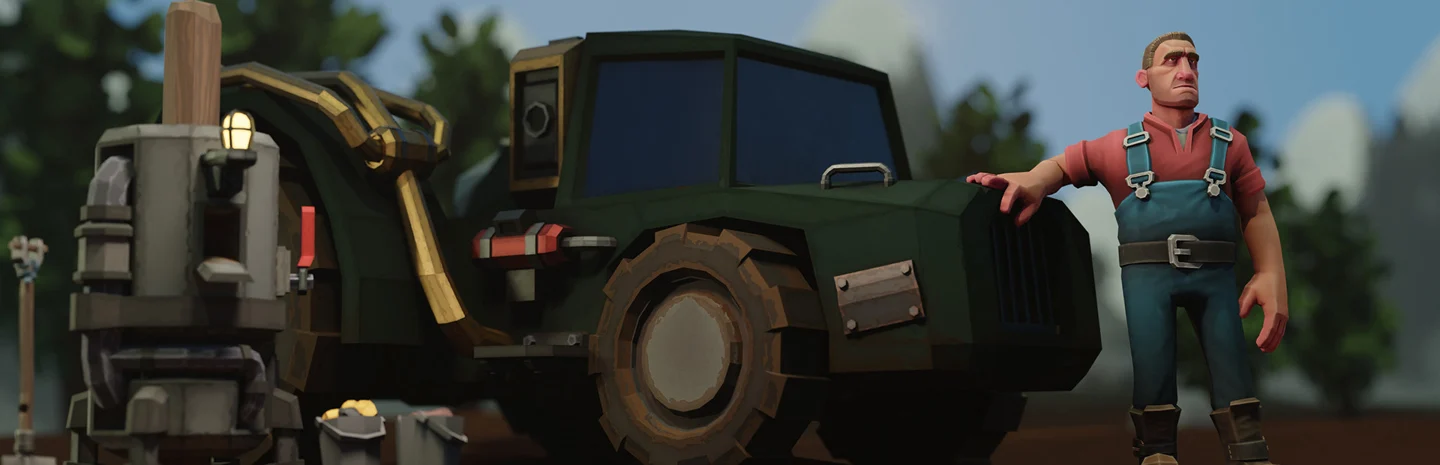
Unlock requirements, costs and tips to help you get started.
Dirt quality comes from the drill’s position, so place it at the deepest point it can use within its tier. Moving deeper dirt up to the drill does not keep that deeper quality.
A shovel, pan, water and brush let you collect ore and gems before you own a drill. Selling an early batch can help pay for the first drill and harvester.
Vegetables can be sold to grocers, while NPC soup orders award Farming Guild Tokens. Save some crops for requested recipes before selling a harvest.
Start with practical early mining, then prioritize the machinery and Corestone progression gate; follow with useful processing, crafting, and crop loops.
The starter claim gives you a repeatable early route from dirt to sellable ore and the funds needed to begin automation.
Iron is a useful early sale and crafting resource: pan it by hand first, then smelt it into bars when you have a furnace.
Gold provides sale value and later crafting stock; it is useful both during early hand mining and after you begin automating a…
A suitable pickaxe lets you explore deeper dirt layers by hand and helps identify where a tier-matched drill can work.
A tier-matched, water-fed drill replaces repeated hand digging with ongoing dirt production for a harvester and sorting line.
A harvester processes drill dirt into collectible resources; a clear collection layout keeps ore and gems from becoming a…
Browse more guides in this category.
Iron is a useful early sale and crafting resource: pan it by hand first, then smelt it into bars when you have a furnace.
Gold provides sale value and later crafting stock; it is useful both during early hand mining and after you begin automating a…
Corestone is the material target for Tier 3 machinery; Icehelm’s sideways mine exposes the Tier 2 and Tier 3 dirt needed to…
Gems add a separate valuable output to mining runs and should be collected cleanly so they can be carried to the appropriate…
A ring converts two distinct mined outputs into a finished Jeweller item, creating a production goal beyond raw-ore and gem sales.
Browse more guides in this category.
The starter claim gives you a repeatable early route from dirt to sellable ore and the funds needed to begin automation.
A suitable pickaxe lets you explore deeper dirt layers by hand and helps identify where a tier-matched drill can work.
Turn resource sales into practical upgrades or a new claim, and weigh a plot’s water and access before moving your mining setup.
Browse more guides in this category.
A tier-matched, water-fed drill replaces repeated hand digging with ongoing dirt production for a harvester and sorting line.
A harvester processes drill dirt into collectible resources; a clear collection layout keeps ore and gems from becoming a…
A dependable water line lets drills, harvesters, and sprinklers perform their jobs; testing branches before expansion makes…
Browse more guides in this category.
Crop growing gives you produce to sell or turn into soup orders, and the Hydro Cropper can harvest and replant as part of a…
A pressurized sprinkler network automates crop watering and reduces the need to tend each planted area manually.
Soup orders turn selected crops into Farming Guild Tokens, which can be spent in the farming shop for its available items.
Vegetable sales turn surplus harvests into currency for farm inputs, while a distinct seed reserve supports continued planting.
Fishing supplies fish that you can keep separate, sell, or reserve for cooking and current orders.
Recommended farming guides. Search by item, goal or location.
The starter claim gives you a repeatable early route from dirt to sellable ore and the funds needed to begin automation.
Iron is a useful early sale and crafting resource: pan it by hand first, then smelt it into bars when you have a furnace.
Gold provides sale value and later crafting stock; it is useful both during early hand mining and after you begin automating a…
A suitable pickaxe lets you explore deeper dirt layers by hand and helps identify where a tier-matched drill can work.
A tier-matched, water-fed drill replaces repeated hand digging with ongoing dirt production for a harvester and sorting line.
A harvester processes drill dirt into collectible resources; a clear collection layout keeps ore and gems from becoming a…
Corestone is the material target for Tier 3 machinery; Icehelm’s sideways mine exposes the Tier 2 and Tier 3 dirt needed to…
Turn resource sales into practical upgrades or a new claim, and weigh a plot’s water and access before moving your mining setup.
A dependable water line lets drills, harvesters, and sprinklers perform their jobs; testing branches before expansion makes…
Gems add a separate valuable output to mining runs and should be collected cleanly so they can be carried to the appropriate…
A ring converts two distinct mined outputs into a finished Jeweller item, creating a production goal beyond raw-ore and gem sales.
Crop growing gives you produce to sell or turn into soup orders, and the Hydro Cropper can harvest and replant as part of a…
A pressurized sprinkler network automates crop watering and reduces the need to tend each planted area manually.
Soup orders turn selected crops into Farming Guild Tokens, which can be spent in the farming shop for its available items.
Vegetable sales turn surplus harvests into currency for farm inputs, while a distinct seed reserve supports continued planting.
Fishing supplies fish that you can keep separate, sell, or reserve for cooking and current orders.